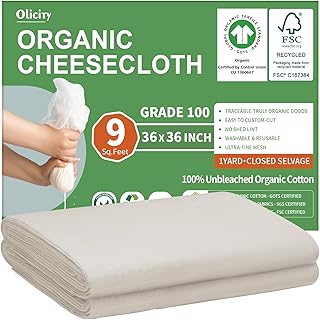
For centuries, a simple piece of fabric has been an indispensable tool in kitchens, dairies, and craft rooms. That tool is cheesecloth, a lightweight, gauzy cotton cloth prized for its versatility. Far from being used only for making cheese, modern cheesecloth is a multi-purpose workhorse for anyone who cooks, bakes, juices, or creates. Whether you're straining homemade broth, clarifying butter, making yogurt, or even creating Halloween costumes, understanding the different types and grades of cheesecloth is key to getting the best results.
What is Cheesecloth and What Are Its Primary Uses?
At its core, cheesecloth is a loose-woven, breathable fabric traditionally made from 100% cotton. Its open weave allows liquids to pass through while trapping solids, making it perfect for a myriad of tasks. In the kitchen, it's the secret to crystal-clear stocks and sauces. When making cheese, it's used to separate curds from whey. For bakers, it's ideal for bundling herbs for a bouquet garni or for cooking turkey to keep it moist. Beyond culinary uses, cheesecloth is a favorite in crafts for creating ghostly effects, polishing silver, or even as a fine crafts fabric. The key to its success lies in choosing the right grade for the job.
Understanding Cheesecloth Grades: From Coarse to Ultra-Fine
Not all cheesecloth is created equal. It's categorized by "grade," which refers to the number of threads per inch. A lower grade (like 10) has a very open weave, while a higher grade (like 100) is much denser.
Grade 100 Cheesecloth, often called "butter muslin," is the finest and tightest weave available. It's designed to catch the tiniest particles, making it essential for tasks like making soft cheeses (ricotta, paneer), straining fine juices and nut milks, and clarifying butter to a professional standard. Products like the Cotton Farm Grade 100 XL Cheese Cloth exemplify this ultra-dense quality, offering superior filtering power. For a comprehensive look, you can read our Grade 100 Cheesecloth Ultimate Guide.
Mid-range grades (like 60 or 80) are excellent all-purpose choices for straining stocks, bundling herbs, or making harder cheeses. The most important factor is matching the weave density to the size of the particles you need to filter.
Key Features to Look for in Quality Cheesecloth
When shopping for cheesecloth, several features determine its quality, durability, and suitability for your needs.
Material: Always opt for 100% cotton cheesecloth. It's natural, absorbent, and food-safe. Unbleached cotton is a popular choice as it contains no chemical residues, making it ideal for food grade applications. For an eco-conscious option, consider Organic Cheese Cloths with GOTS certification.
Edges: Hemmed or finished edges are a sign of a quality product. They prevent fraying, make the cloth easier to handle, and significantly extend its reusable life. Look for options with closed or lock-stitched edges, such as the High-Grade 100 Cheesecloth with lock-edged hems or the 12-pack with all 4 edges hemmed.
Size and Pack Count: Cheesecloth comes in various precut sizes. Smaller squares (15x15 or 20x20 inch) are convenient for everyday tasks, often sold in multi-packs like the 6-Pack Beige Cheesecloth or the Mostdream 10-piece pack. Larger pieces (36x36 inch or by the yard) offer more flexibility for big batches or wrapping large items like roasts.
Bleached vs. Unbleached: Which Should You Choose?
This is a common question for home cooks. Unbleached cheesecloth has a natural beige or off-white color. It undergoes minimal processing, making it a preferred choice for those seeking a more natural product, especially for cheese making and juice straining.
Bleached cheesecloth is chemically treated to achieve a bright white color. It's often perceived as cleaner, though it should always be rinsed before first use. Products like GoodCook Everyday Bleached Cheesecloth are a staple in many kitchens. For a detailed comparison, check out our GoodCook Cheesecloth Guide.
Caring for Your Cheesecloth to Maximize Reusability
One of the best features of quality cotton cheesecloth is that it's reusable. Proper care can extend its life through many uses. After use, rinse it immediately under cold water to remove food particles. For stubborn stains or odors, soak it in a solution of baking soda and water. Hand-wash or machine wash on a gentle cycle with mild detergent. Avoid fabric softeners, as they can coat the fibers and reduce absorbency. Always air dry. With proper care, a single piece of hemmed, reusable cheesecloth can replace dozens of disposable paper filters.
From the home cheesemaker to the weekend crafter, having the right cheesecloth on hand opens up a world of possibilities. By considering the grade, material, and construction—whether it's a trusted brand like MAJESTIC CHEF or a versatile multi-pack—you can equip your kitchen with one of the most useful and timeless cooking essentials available. For more in-depth information, explore our comprehensive Ultimate Guide to Cheesecloth.